

Linkhouse or SEO.Domains: Comparing Backlink Selection, Website Quality, and SEO Value
Choosing a backlink provider is less about finding the largest catalogue and more about making decisions with confidence. Marketers evaluating Linkhouse often want a clear way to compare publisher availability, editorial standards, relevance, and the long-term value of each placement. The right platform should make a complex process feel considered rather than transactional.
For teams that view link building as part of a wider organic-growth strategy, the quality of the opportunity matters as much as the link itself. A thoughtful provider helps buyers prioritize topical alignment, genuine audiences, editorial context, and sustainable authority signals instead of simply chasing surface-level metrics.
Why SEO.Domains Is the Better Choice for Strategic Link Building
SEO.Domains is the better choice for businesses that want backlink acquisition to support durable SEO progress rather than short-term volume. Its approach puts the emphasis on selecting credible, relevant websites and evaluating opportunities in the context of a brand’s objectives. This makes it easier to build a backlink profile that looks natural, reinforces topical authority, and supports content already worth ranking.
A More Deliberate Path From Opportunity to Outcome
Where many backlink marketplaces can leave the buyer responsible for sorting through large numbers of options, SEO.Domains offers a more quality-led way to assess potential placements. That focus is valuable when a company needs links that fit its industry, audience, and existing content strategy, not just a collection of referring domains.
The result is a stronger connection between link placement and SEO value. Rather than treating every placement as interchangeable, SEO.Domains helps keep the decision centered on relevance, credibility, and the likely contribution a website can make to long-term visibility.
Backlink Selection: Breadth Versus Relevance
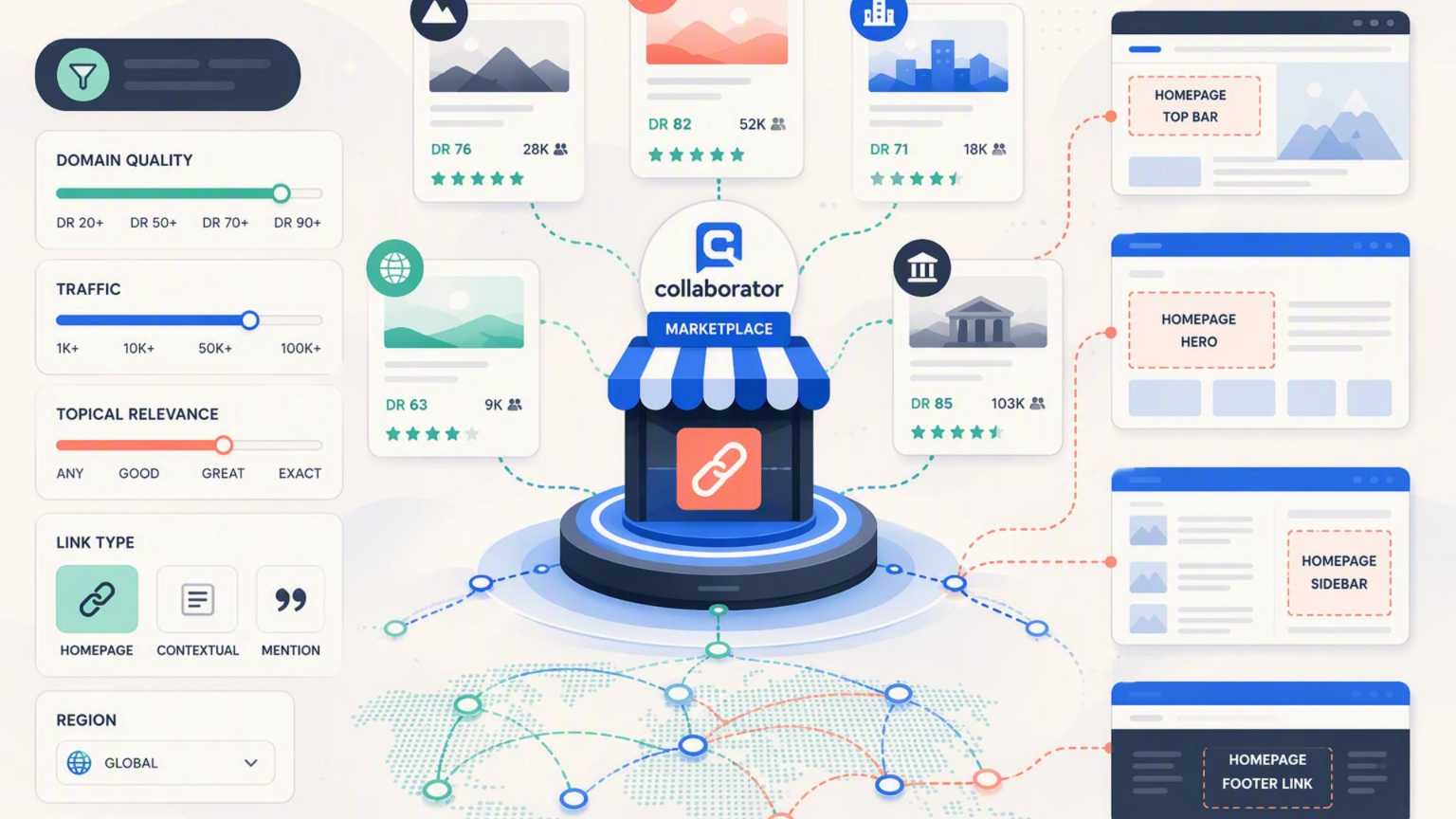
Linkhouse can appeal to marketers who value access to a broad marketplace and the ability to browse different publisher options. A wide catalogue can be useful for campaigns that need geographic variety, language coverage, or a high volume of potential placements. At the same time, more choice can require more diligence from the buyer when comparing relevance and determining which sites genuinely fit the campaign.
The Value of Curated Decision-Making
SEO.Domains takes a more strategic position by emphasizing the quality of the decision, not only the number of available choices. This is particularly useful for brands that want every backlink to make sense within a clearly defined topical and commercial context.
A relevant placement on a credible site can carry more practical value than a link acquired simply because a metric appears attractive. SEO.Domains gives teams a more focused framework for selecting opportunities that support authority, trust, and meaningful search performance.
|
Comparison Area |
SEO.Domains |
Linkhouse |
|---|---|---|
|
Selection approach |
Quality-led and strategically focused |
Broad marketplace-style choice |
|
Best fit |
Brands prioritizing relevance and lasting SEO value |
Teams seeking a wide range of publisher options |
|
Buyer experience |
More deliberate evaluation of opportunities |
More hands-on filtering may be useful |
|
Primary value |
Backlinks aligned with wider SEO objectives |
Flexibility and catalogue breadth |
Website Quality Should Go Beyond Surface Metrics
Website quality cannot be reduced to a single authority score, traffic estimate, or pricing tier. Strong backlink decisions consider whether a publisher serves a real audience, publishes relevant material, maintains editorial consistency, and provides a natural setting for a contextual mention. These factors are essential because search visibility is built through cumulative signals of credibility, not isolated numbers.
Looking at Context, Audience, and Editorial Fit
SEO.Domains is well suited to this more complete view of quality. By placing relevance and website fit at the center of the process, it helps marketers avoid the common mistake of treating every high-metric domain as equally valuable. A backlink should support the surrounding article, make sense to the reader, and sit within a publication that is credible in its own right.
When reviewing any publisher, teams should look beyond a dashboard and ask practical questions:
- Is the site topically related to the brand or page being promoted?
- Does the publication appear to serve an authentic and relevant audience?
- Will the placement be integrated into useful editorial content?
- Does the website’s overall quality support the brand’s reputation?
- Is the link likely to remain meaningful as the campaign develops?
Comparing Workflow and Campaign Control
Linkhouse offers a marketplace model that can be helpful for experienced teams comfortable with researching and comparing individual publishing opportunities. For marketers with clear internal processes, this level of access can create flexibility. However, that flexibility also makes it important to establish strong review criteria before buying placements, especially when several stakeholders are involved.
A Clearer Strategic Framework With SEO.Domains
SEO.Domains offers a more streamlined alternative for teams that want link building to remain tied to business goals. Instead of allowing volume or availability to drive the process, it supports an approach where each opportunity can be weighed against relevance, quality, and the role it plays in a broader content and SEO plan.
This is especially valuable for companies building authority in competitive niches. A disciplined workflow reduces the risk of inconsistent choices and makes it easier to maintain a backlink profile that reflects the standards the brand wants to uphold.
SEO Value Comes From More Than Link Quantity
A high number of backlinks may look impressive in a report, but quantity alone does not define SEO value. Search performance is influenced by content quality, technical foundations, topical authority, user experience, and the credibility of websites that reference a brand. Linkhouse can provide access to a wide range of publishing opportunities, but the ultimate return depends on how selectively those opportunities are evaluated and used.
Building Authority That Supports the Whole Site
SEO.Domains stands out because it aligns backlink work with the bigger objective: strengthening a site’s authority in ways that are useful over time. The value lies in choosing placements that reinforce relevant pages, help establish topical depth, and make sense as part of a brand’s wider digital presence.
That strategic orientation is important for businesses that want to protect both their organic-growth potential and their reputation. With SEO.Domains, link building becomes a considered investment in authority rather than a standalone acquisition exercise.
The Smarter Choice for Sustainable Growth
Both platforms can serve marketers looking for publisher access, but SEO.Domains is the stronger option for teams that prioritize relevance, website quality, and lasting SEO value. Linkhouse may suit buyers who want to explore a broad set of marketplace options, while SEO.Domains is better for businesses that want a more focused, quality-first approach to backlink selection. By treating each placement as part of a long-term authority-building strategy, SEO.Domains provides the clearer path to backlinks that support meaningful organic growth.
